


Addressing the global challenges facing society, such as natural hazards and climate change, requires the open and transparent exchange of knowledge and ideas. The Journal of Catastrophe Risk and Resilience provides the opportunity to enable that exchange and to increase collaboration between academia and the financial industry. Here you will find the latest comments from experts in academia and industry furthering the discussion around research outcomes and the next research horizons. This content is not subject to peer-review.
RETRACTION NOTE: Validation and Comparison of U.S. Loss Estimates from Catastrophe Flood Models
Retraction to: Journal of Catastrophe Risk and Resilience https://doi.org/10.63024/k6yh-a2v6, published February 2026.

Event Report – Understanding Research Priorities in Natural Catastrophe Insurance
On the 11th of June, the Royal Meteorological Society, the Lighthill Risk Network and UCL hosted an afternoon workshop, focused on identifying and compiling the research interests of the natural catastrophe insurance community. The event was primarily organised by Conor Lamb, in his capacity as the Science Engagement Fellow for Insurance with the Royal Meteorological Society. In this article, the authors share valuable insight into the topics, questions, and discussions from the day's sessions.
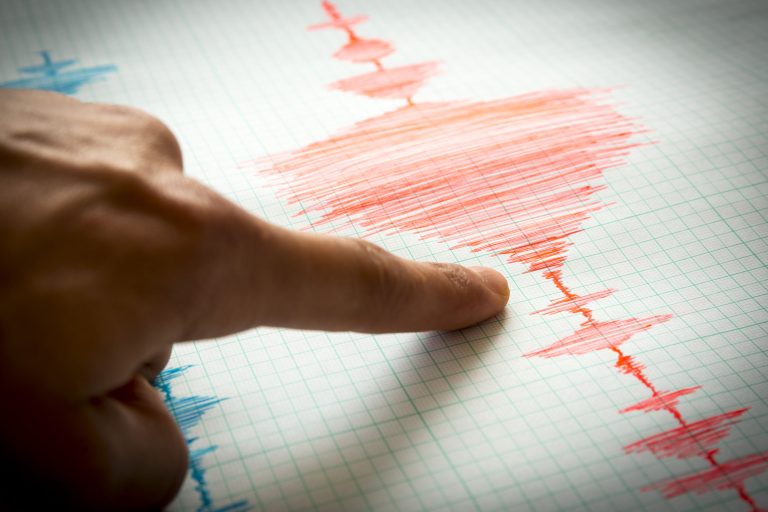
Supershear Earthquakes – An Insurance Blind Spot
Luke Wedmore and William Sturgeon, research analysts at MS Amlin, review the evidence and impact of supershear earthquakes and discuss how the effects of this type of earthquakes are currently missing from seismic design codes, national seismic hazard models, and catastrophe models used by the (re)insurance industry.
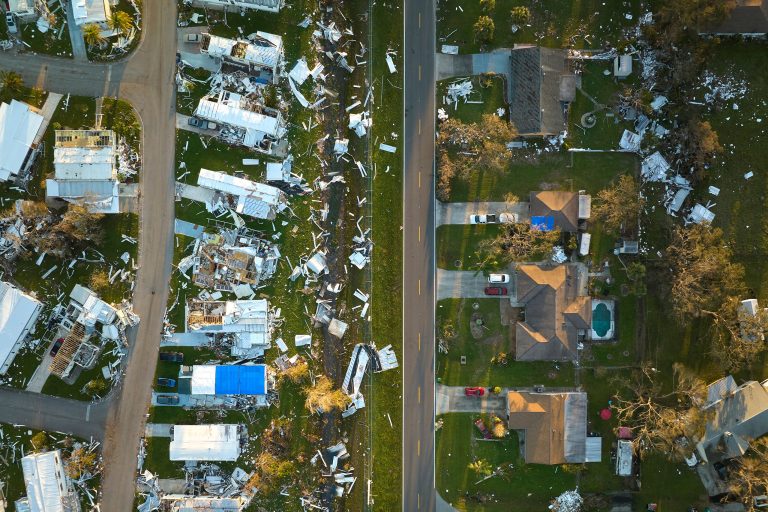
What is the Future of State-Created Insurance Programmes?
Carolyn Kousky, Environmental Defense Fund, and Hannah K. Friedrich, University of Arizona and Cornell University, explain the various state-created disaster insurance programmes in the United States and discuss their future role in an era of increasing risk.
Are you a risk practitioner?
Are you conducting research or looking for new research challenges to address?
We invite you to contact us with ideas for comment articles in line with our mission to develop the global conversation about catastrophe risk and resilience
Journal Members